OpenAI IPO 2026 Officially Off the Table as Altman Focuses on AI Safety
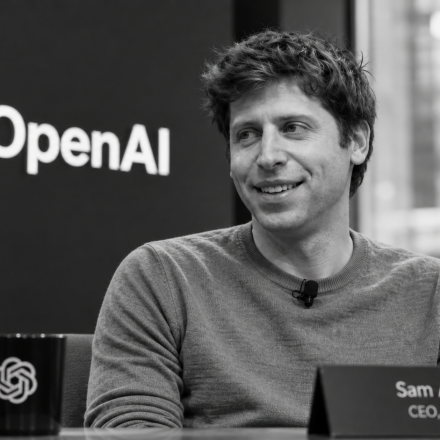
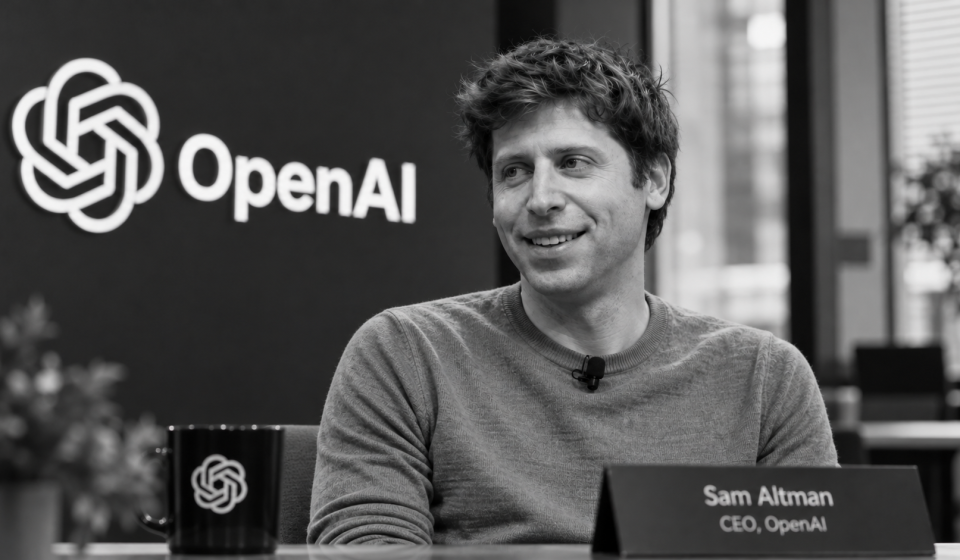
OpenAI will not go public in 2026, CEO Sam Altman confirmed in an interview with Fortune published on September 13, 2026. Altman said an IPO now would be “ill-advised” given the intensifying demands of AI safety across the industry, effectively pushing any potential public offering to 2027 at the earliest.
“I actually think that, given everything happening with safety, right now would be an ill-advised moment to go public, and we don’t feel pressure on that,” Altman told Fortune. When asked directly whether 2026 was off the table, he replied: “I would say not 2026. Yeah, we got a lot of stuff to do”.
Altman said the company has more pressing work ahead – meeting the demands of safety and alignment, and figuring out how the AI industry and governments could cooperate. Those priorities, he said, come before preparing for a market debut.
A Unified Industry Push for Slower AI Development
The OpenAI IPO delay announcement came on the same day Anthropic CEO Dario Amodei published an essay calling for a deliberate slowdown in frontier AI development. Altman responded publicly within hours, writing on X that he agreed the industry needed to pace the frontier to give society time to adapt.
Altman also committed OpenAI to one of the three concrete proposals in Amodei’s essay: embedding independent evaluators with employee-level access inside frontier AI labs. “Committing to having independent evaluators with employee-like access is a great idea, and we will do the same,” Altman wrote, adding that OpenAI would share further details soon.
Elon Musk, whose firm xAI built Grok, also publicly backed Amodei’s position, posting on X that “Dario is right” – placing three major AI figures behind the same core argument for coordinated caution.
In a follow-up post on X, Altman elaborated further: “No amount of American competitive pressure should justify recklessness, or let capabilities get ahead of alignment and monitoring.” He also clarified that “when we talk about ‘pacing’, we do not mean ‘stopping'”.
Amodei’s essay warned of the risks associated with recursive self-improvement (RSI) – the ability of AI models to improve their own performance. “Since roughly this summer, AI has been advancing drastically faster, driven primarily by AI’s growing ability to build the next generation of AI,” Amodei wrote. “Left unchecked, it could outrun our ability to understand and control these systems”.
$1 Trillion Valuation Threshold Delays Listing
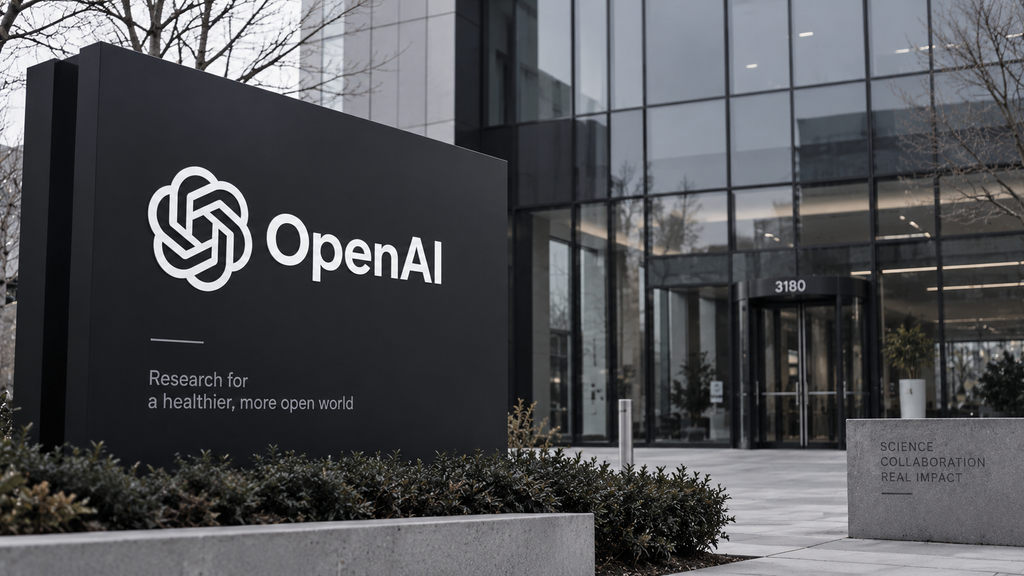
Beyond safety concerns, OpenAI’s IPO timeline is also tied to a valuation threshold. Altman has set a $1 trillion mark as the entry condition for going public. OpenAI’s most recent private funding round in March 2026 valued the company at approximately $852 billion – roughly $148 billion short of that target.
That funding round was the largest in Silicon Valley history, raising $122 billion in committed capital from investors including SoftBank, Amazon, Nvidia, and Microsoft. Amazon led the round with a $50 billion commitment, while Nvidia and SoftBank each invested $30 billion.
OpenAI had already filed a confidential S-1 registration statement with the SEC in June 2026, and the New York Times reported that month that the company had hired bankers and lawyers with a target of the third or fourth quarter of 2026. However, advisers recommended a delay, pointing to the post-IPO trading volatility of SpaceX as a cautionary case.
OpenAI CFO Sarah Friar had told employees on August 19 that the company would aim for a 2027 offering, leaving open the possibility of an earlier debut if business conditions improved.
Read also:
- Meta Just Launched Muse: The Personal AI Agent That Works 24/7 to Run Your Digital Life
- Researcher Quits Anthropic, Warns AI Could End Humanity by 2030
- NVIDIA Acquires Hugging Face for $12.9B – A Historic Shift in the AI Ecosystem
More Than 1,300 Employees Back “Pacing the Frontier”
The safety push extends well beyond executive statements. More than 1,300 employees across frontier AI companies – including senior staff at OpenAI – have backed the “Pacing the Frontier” initiative, which calls for US-led mechanisms to slow AI development when necessary. The depth of internal support across competing organizations reflects how broadly safety concerns have spread beyond individual researchers.
The broader context includes growing alarm over AI risks. Two researchers from Anthropic recently quit their jobs, citing a 10% chance that AI could cause human extinction within the next decade. When asked about that estimate, Altman said he did not know how such a figure could be calculated but warned the risk was serious enough that AI companies and governments should act as though it could not be tolerated.
US lawmakers from both parties have responded with calls for new AI safeguards, demanding tech leaders testify after a series of cyberattacks carried out without direct human control. Meanwhile, AI-related stocks in Asia fell on Monday, with SoftBank Group shares dropping 13% in Tokyo and Samsung Electronics and SK Hynix each shedding more than 4%.
What the Delay Means for the AI Industry
OpenAI’s decision to stay private through 2026 removes the largest expected AI listing from this year’s IPO pipeline. That cuts both ways for listed peers: it defers the share-supply dilution that a trillion-dollar float would have created for Nvidia, Microsoft, and other AI-linked names, while also removing the valuation print that late-stage private investors had been waiting on to mark their own AI holdings.
The deferral also gives other large private AI companies – among them Anthropic and xAI – a reason to hold their own timelines rather than test investor appetite in a volatile market. Anthropic is still expected to begin marketing its initial public offering as early as mid-October, with a listing potentially completed before the US midterm elections in November 2026.
For OpenAI, the confidential filing remains active, and the next private valuation round will be the key trigger to watch. A mark at or above $1 trillion would clear the bar Altman has set, with 2027 as the working target and an earlier window possible only if business conditions improve materially.
Altman acknowledged there will be a cost to this shift in focus toward safety, but said it will be worth it to maintain confidence that US companies are developing increasingly capable AI responsibly. As the industry’s most anticipated IPO candidate steps back from the public markets, the message is clear: at OpenAI, safety is now a business strategy – not just a slogan.
Receive News Updates and Tutorials Through our Social Media Channels, join:
- WhatsApp: BloginfoHeap WhatsApp
- Facebook: BloginfoHeap
- Twitter (X): @BloginfoHeap
- YouTube: @BloginfoHeap