The Web3 industry is moving past apps and tokens into physical devices. Startups and blockchain ventures are experimenting with Web3 smartphones, and gaming consoles that merge crypto with everyday tech. These devices aim to give users direct control of digital identity, wallets, and decentralized services without relying on traditional big tech platforms.
Gaia Labs AI Smartphone
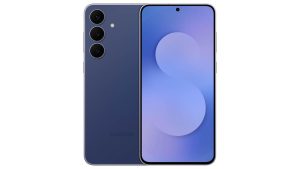
Gaia Labs, a decentralized AI and Web3 infrastructure company, recently announced an AI smartphone for South Korea and Hong Kong. Built on Samsung’s Galaxy S25 Edge hardware, the device runs AI models locally, allowing users to interact with agents without the cloud.
Key features include:
- Onchain identity integration
- A pre-loaded Gaia domain
- Tools for deploying custom AI agents
According to Gaia Labs co-founder Shashank Sripada, the project is about proving that decentralized alternatives to AI monopolies are technically and economically viable.
Solana Mobile’s Expansion
Solana Mobile is one of the biggest players in Web3 hardware.
- In 2023, it launched the Saga phone, featuring a Seed Vault and Solana DApp store. A BONK memecoin airdrop boosted adoption.
- In 2025, Solana Mobile introduced the Solana Seeker, its second-generation device, which recorded over 150,000 pre-orders across 50 countries.
- The company has also entered gaming hardware with the Play Solana Gen 1 (PSG1), a handheld console that doubles as a hardware wallet. The PSG1 integrates Solana wallets, transaction fingerprint security, and access to Solana’s DApp ecosystem. Pre-orders opened in 2025, with shipping set for October.
Other Industry Players
The move into Web3 hardware is not limited to Solana and Gaia.
- HTC launched the Exodus 1 in 2018 with a built-in hardware wallet supporting Bitcoin and Ethereum.
- Vertu entered in 2022 with the Metavertu, a luxury smartphone combining Web2 and Web3 platforms, crypto wallet functions, and NFT support.
- Mysten Labs, creators of the Sui blockchain, partnered with Playtron in 2024 to release the SuiPlay0X1, a gaming console combining PC-level performance with Web3 features like zkLogin and onchain asset management.
Why Web3 Hardware Matters
Web3 smartphones and gaming consoles are not trying to replace Apple or Samsung. Instead, they are creating a parallel ecosystem where crypto users and developers come first.
The strategy focuses on:
- Building hardware-native wallets
- Supporting onchain identity and decentralized applications
- Offering secure, user-owned alternatives to cloud-based services
- Expanding crypto use cases into gaming and mobile ecosystems
Outlook for 2025 and Beyond
The success of these projects will not be judged by market share. Instead, it will be measured by their ability to show that decentralized hardware is viable. If adoption continues, Web3 smartphones and gaming consoles could become the backbone of a new crypto-first digital ecosystem.