Africa’s leading e-commerce platform, Jumia, is tightening its journey toward profitability after reporting narrowing losses and stronger financial performance in Q3 2025. As AI continues to reshape global business operations, Jumia is leaning heavily into automation, and the effects are showing up clearly in its numbers.
The company’s latest financial disclosures reveal that artificial intelligence has become central to its cost-reduction strategy, enabling leaner operations, smaller teams, and improved customer experience.
Revenue Climbs as Losses Narrow in Q3 2025
Jumia recorded impressive year-over-year growth for the third quarter of 2025:
- Revenue rose 25.28% to $45.6 million, up from $36.4 million in Q3 2024.
- For the first nine months of 2025, revenue edged up 4.68% to $127.5 million.
- Operating loss dropped 13.43% to $17.4 million.
- Loss before income tax declined slightly to $17.7 million.
While the company is not yet profitable, these improvements highlight significant progress, especially for a business historically weighed down by high operational costs and logistics challenges.
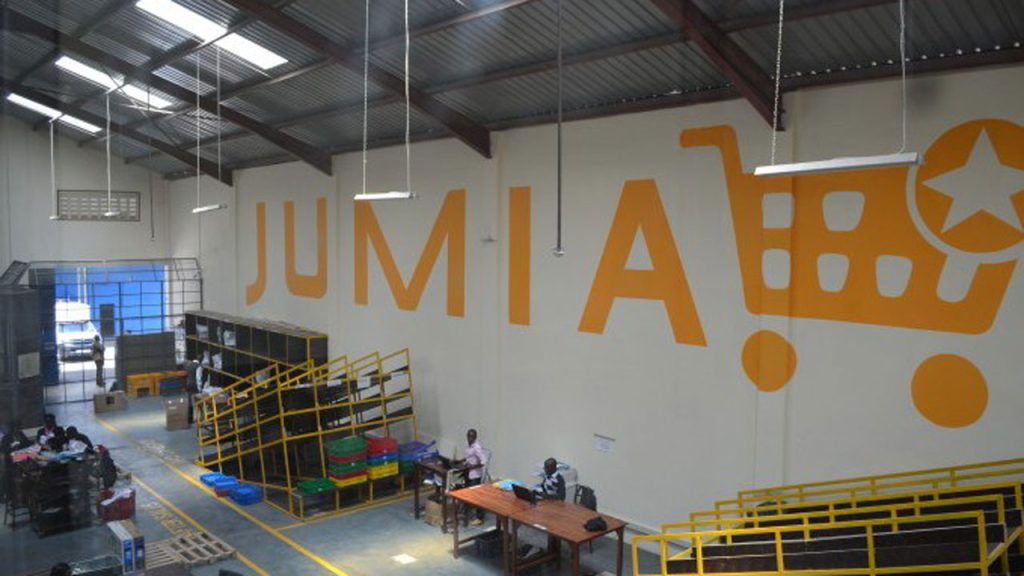
AI Reshaping Operations and Cutting Costs
A major driver behind the turnaround is Jumia’s aggressive integration of AI-powered automation across multiple departments.
The company confirmed:
“We are leveraging AI across key functions to enhance productivity and reduce operating expenses.”
AI-driven workflows have been deployed in:
- Customer service – automated support and faster response loops
- Marketing – smarter targeting and campaign optimization
- Technology operations – automated maintenance, monitoring, and process optimization
These shifts have allowed Jumia to streamline processes, eliminate inefficiencies, and strengthen its cost structure.
See also: LinkedIn Adds AI-Powered Search to Help Users Find People: What You Need to Know
7% Workforce Reduction as AI Takes Over More Tasks
Since December 31, 2024, Jumia has reduced its workforce by 7%, resulting in just over 2,010 employees as of September 30, 2025.
The company emphasized that automation, not decline, is driving this downsizing.
AI has made it possible to operate with fewer people while maintaining or even improving service quality.
Technology and content expenses fell 10% to $8.7 million, supported by:
- Lower headcount
- Savings from renegotiated vendor contracts
- AI tools replacing repetitive, manual tasks
General and administrative expenses also declined 7% to $17.6 million, with more reductions expected.
Beyond AI: Operational Efficiency Gains
AI isn’t the only factor contributing to Jumia’s improved numbers. The company is also:
- Reducing fulfillment unit costs
- Boosting warehouse productivity
- Automating parts of customer support
- Improving logistics throughput
- Enhancing product assortment strategies
Lower operational costs, better utilization of assets, and strategy execution have all helped improve Jumia’s margins.
Customer Demand Surges: Orders and GMV Up
While Jumia tightened costs, customer activity accelerated:
- Total orders grew 34% year-over-year
- Gross merchandise volume (GMV) rose 26%
- Active customers ordering physical goods grew 23%
Nigeria, Jumia’s biggest market, delivered an especially strong performance:
- Orders surged 30%
- GMV jumped 43%
CEO Francis Dufay credits this momentum to improved customer value and operational discipline.
A Clearer Path Toward Profitability
Dufay noted that the company has reached an “inflection point.”
He emphasized:
“We continue to strengthen our cost structure and sharpen operational discipline… We are on track to reach breakeven on a Loss Before Income tax basis in Q4 2026 and achieve full-year profitability in 2027.”
If the company maintains its pace in automation, customer growth, and logistics efficiency, it may finally break free from the long-standing narrative of losses that has followed it since launch.
Will AI Alone Guarantee Success?
While Jumia’s AI-enabled transformation is paying off, broader concerns remain.
Across industries, companies adopting AI quickly realize an important truth:
AI improves efficiency, but human workers remain essential — especially in areas that require empathy, situational judgment, and nuanced decision-making.
The long-term outcome for Jumia hinges on how well it balances automation with human expertise, particularly in customer experience, merchant onboarding, and logistics operations.
Receive News Updates and Tutorials Through our Social Media Channels, join:
- WhatsApp: BloginfoHeap WhatsApp
- Facebook: BloginfoHeap
- Twitter (X): @BloginfoHeap
- YouTube: @BloginfoHeap